Turkey Anatomy Neck
Turkeys have a wattle growing beneath their chins along their neck line. Turkey neck comprises loose skin and underlying muscle and sometimes some fatty deposit under the chin.
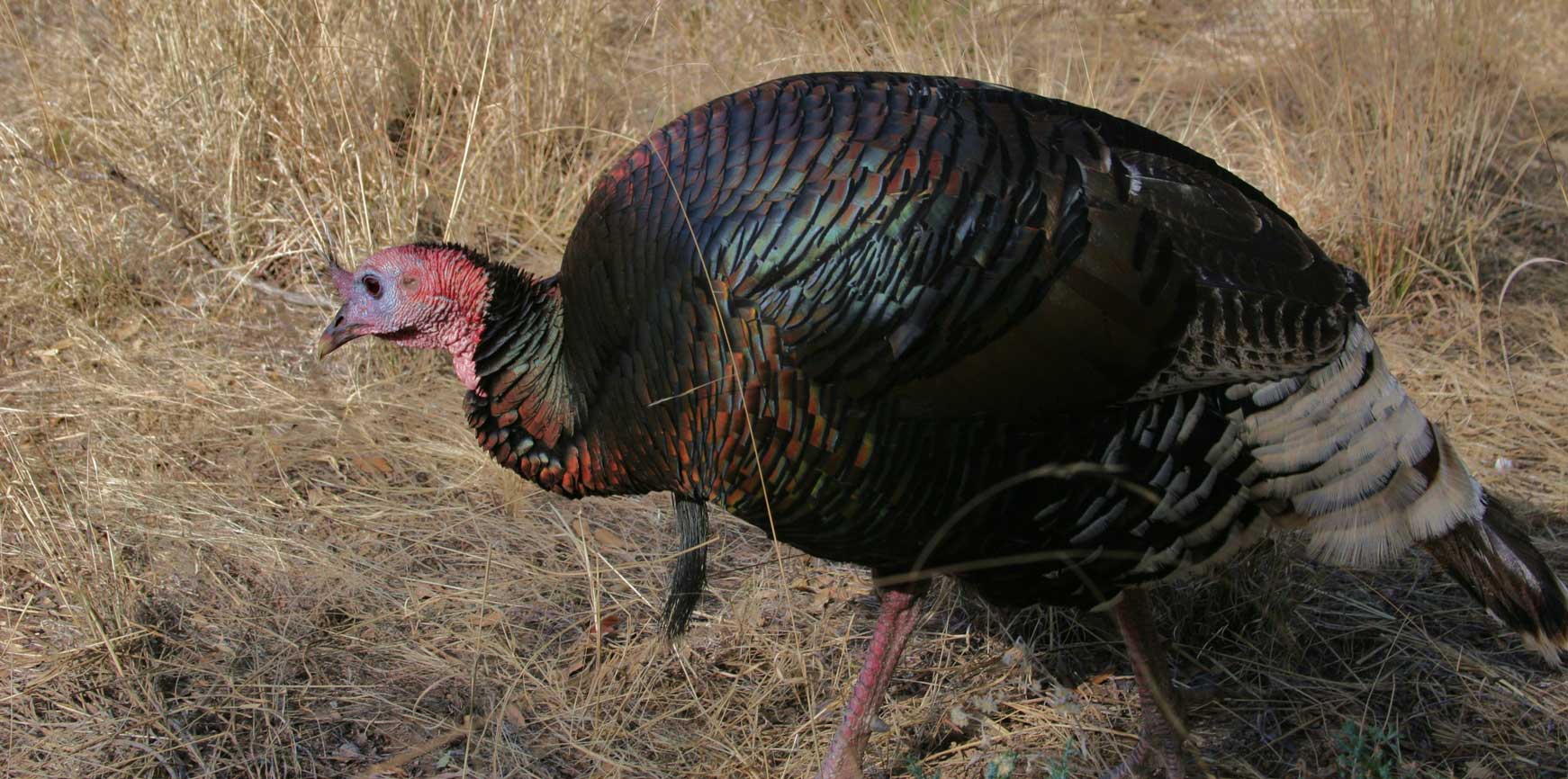
 Wild Turkey Anatomy Welcome To The Taxidermy Net Forum And
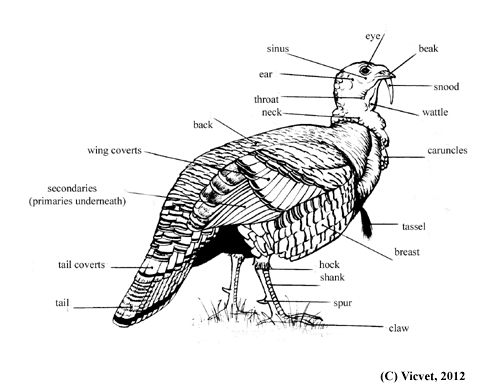
The wattle is a flap of skin hanging under the chin connecting the throat and head and the snood is a highly erectile appendage emanating from the forehead.

Turkey anatomy neck. The base of the snood is just above the bill and the total length can vary from just 1 2 inches to 5 6 inches or longer depending on the birds gender health and mood. A turkey can twist its long neck 360 degrees which in effect gives it eyes in the back of its head. She lays one egg each day.
Surgery is the best option for treatment. The snood is similar to a wattle and may be called a wattle when all of a turkeys face head and neck markings are described together but it is a distinct feature. The males display courtship behavior in the months of march and april.
A lower rhytidectomy or neck lift is a surgical procedure designed to reduce jowls or turkey wattle that excess loose skin in the jawline that does so much to add years to a persons appearance. Photo sally noll university of minnesota. Most of the time when the turkey is in a relaxed state the snood is pale and 2 3 cm long.
A turkey neck is the slang term that has been given to lax skin that hangs under your chin. While a turkey has poor night vision it sees much more crisply in daylight than a human with 2020 sight. Parts of a male turkeys head.
Young turkeys extending their wattles to cool off. When at rest its basically a thin fold of floppy skin. A turkey has a wattle under its beak and fleshy growths on the head and neck called caruncles.
Wild turkey can change the color of its head or neck depends on its mood. Females lay up to 10 14 eggs. These laser like eyes are the turkeys primary defense mechanism.
Turkeys unlike deer can see and assimilate some colors. A turkey neck can be the result of several different factors which include the natural aging process or extreme fluctuation in weight. It blends in with the caruncles unless a turkey is extending their neck.
In turkeys the term usually refers to small bulbous fleshy protuberances found on the head neck and throat with larger structures particularly at the bottom of the throat. They are often seen courting in large groups. As this skin becomes loose it resembles a turkeys wattle thus the creation of its name.
The incubation period lasts about 28 days. In anatomical terms the snood is an erectile fleshy protuberance on the forehead of turkeys. Surgery is the best option for treatment.
 The Wild Turkey Zone Wild Turkey Characteristics
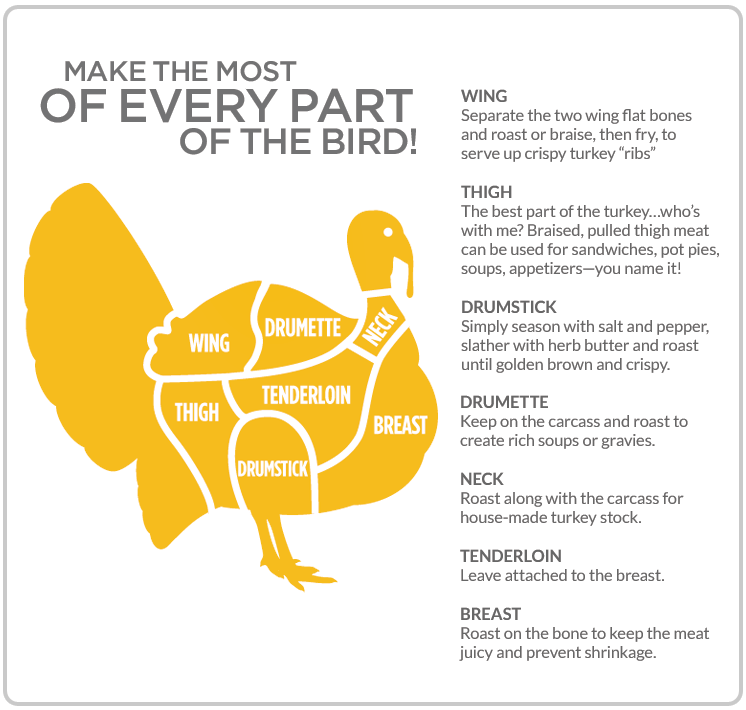
 Muscle Strain Is Modulated More With Running Slope Than
:max_bytes(150000):strip_icc()/turkey-snood-58a6cbaf5f9b58a3c9fccb53.jpg) Snood Turkey Anatomy Parts Of A Bird
Snood Turkey Anatomy Parts Of A Bird

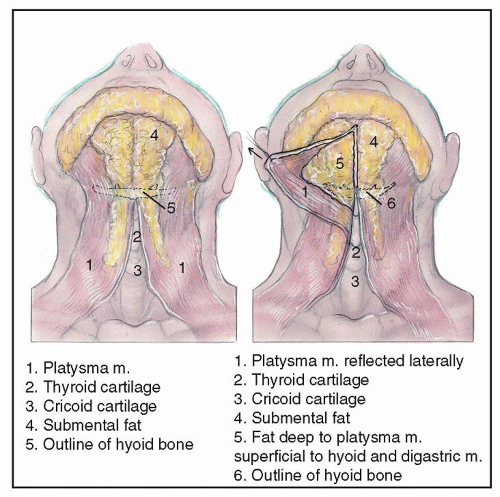 The Aging Neck Ento Key
The Best Roast Turkey Perfectly Cooked And Moist
 Species Profile Ocellated Turkey Meleagris Ocellata
What Is The Wobbly Red Piece Of Flesh On Top Of The Beak Of
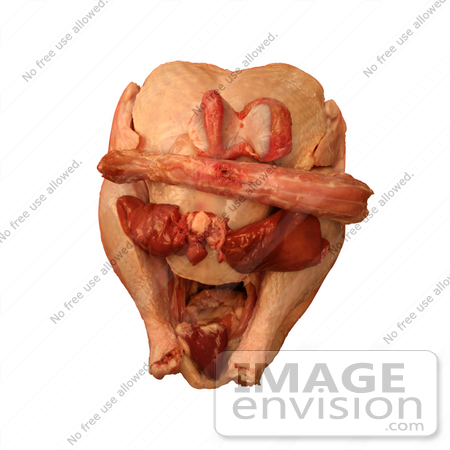 Thanksgiving Photo Of Uncooked Turkey Giblets Heart Liver
 Wattle Anatomy Wikipedia
 My Life As A Turkey Wild Turkey Fact Sheet Nature Pbs
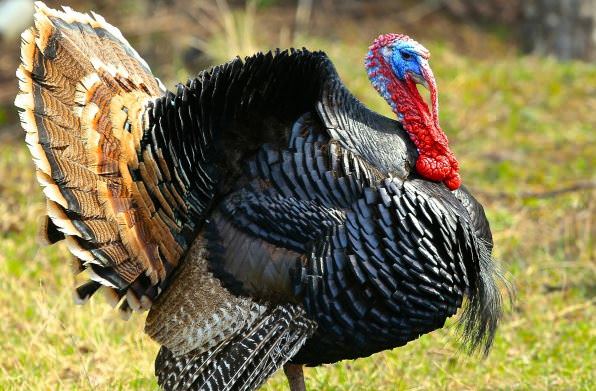 Caruncles Breast Beards And Snoods Oh My The Mf Guide To
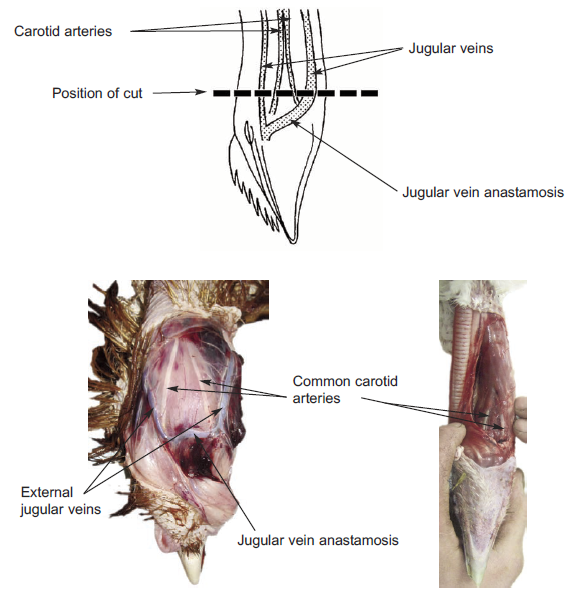 Bleeding Humane Slaughter Association
With Text Neck Comes Turkey Neck
:max_bytes(150000):strip_icc()/turkey-2-5a132b150d327a0037da814b.jpg) Turkey Facts Biology And Statistics
Turkey Facts Biology And Statistics
 Wild Turkey Anatomy Kim Smith Designs
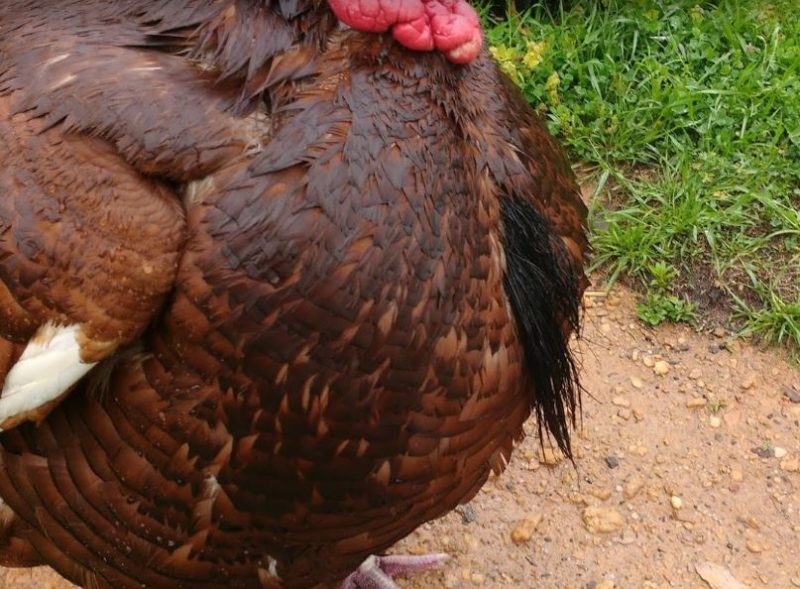 Turkey Anatomy Revealing The Mysteries Of Snood Caruncle
 Thanksgiving Anatomy How To Carve A Chicken Or Turkey
 Anatomy Of Plotus Anhinga N D Now Anhinga Anhinga The
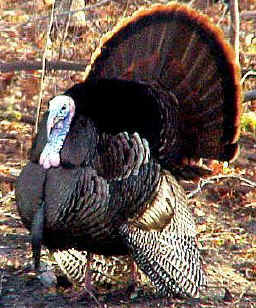 Animal Facts Turkeys

Belum ada Komentar untuk "Turkey Anatomy Neck"
Posting Komentar